Before hiring a roofing contractor, be sure to ask for a written estimate of the project. This estimate should include both labor and materials. To make the estimate more accurate, take pictures of the damage and write down the roof size. Also, keep track of all the materials used on the project. Check out the Professional Metal Roofing Stanmore – Roof Replacement Sydney.
Roofing contractor should have a general contractor’s license
If you’re looking for a reliable roofing contractor, you’ve probably heard about a general contractor’s license (C-39). This license is a legal requirement for the roofing industry, and identifies a licensed roofer as the best choice for the job. It also outlines a general contractor’s rights and responsibilities. This information will help both parties create specific contracts and establish a legal basis if a contract is breached.
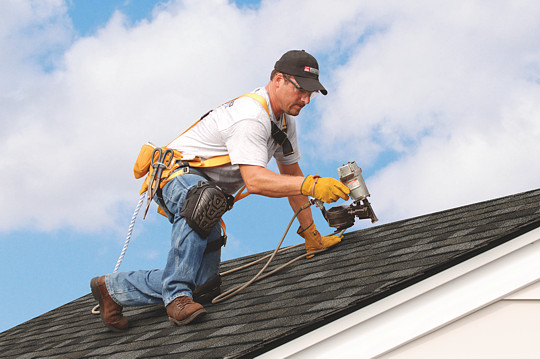
In North Carolina, contractors who perform roofing work must have a general contractor’s license. This license is required for jobs worth $30k or more. To obtain a license, a contractor must be pre-approved by the North Carolina Licensing Board for General Contractors. It is important for the contractor to meet minimum qualifications for licensing, including having a certain amount of working capital.
Another requirement for roofing contractors is insurance. State laws vary on whether or not roofing contractors must carry commercial general liability insurance, but it’s a wise idea to ask whether the contractor carries worker’s compensation insurance. A general contractor’s license will state whether the contractor is required to carry liability insurance, as well as workers’ compensation insurance.
Roofing contractor should have liability insurance
When choosing a roofing contractor, you should be sure they have liability insurance. This insurance covers the costs of property damage and accidents that occur on a building owner’s property. This includes fire damage and leaks. It is important to understand the limitations of liability insurance and how it will affect your business.
A roofing contractor should also have general business liability insurance. This insurance protects both the roofing contractor and the business of a client. Whether it is a commercial or residential project, roofing insurance protects the contractor’s business and can help him write more business. In addition to protecting the business, roofing insurance helps the contractor avoid claims that may arise due to errors and omissions.
Liability insurance covers both a roofing contractor and a third party from accidental damage or injury. It covers the cost of medical payments and legal fees that are incurred by a third party. Without general liability insurance, a contractor may be sued and may even be forced to pay for damages to the property.
Roofing contractor should have worker’s compensation insurance
Worker’s compensation insurance is essential for residential roofers. Injuries and fatalities can occur while performing roof maintenance or installation. Worker’s compensation insurance protects the roofing contractor from liability for injuries to their workers. It is important to understand the coverage provided by this insurance.
Workers compensation insurance pays for the medical bills and lost wages of injured employees. It is required by law for most businesses, including roofing contractors. Failing to carry insurance may result in large fines and even criminal charges. Roofing contractors are one of the industries that are the most frequently affected by work-related injuries. While some roofing general liability insurance policies exclude subcontractors, others require that they carry workers compensation insurance.
Roofing contractors should also carry a general liability insurance policy. This insurance policy protects roofers from third-party bodily injury. This type of insurance covers medical costs and wage replacement for employees who are injured in the course of their employment. Furthermore, it covers the reputational rights of the business.