If your furniture is beginning to show signs of wear and tear, it may be time for Upholstery Shop Sydney. These signs may include a lingering odor in the room even after cleaning. The most common culprit is musty old furniture, but a fresh reupholstery job can get rid of these unpleasant odors. Old upholstery also collects allergens and other small particles which can become embedded in the fabric.
Investing in professional upholstery cleaning
Professional upholstery cleaning is important because it can prolong the life of your furniture. The cleaning process will remove dirt, debris, and allergens, which can cause respiratory and skin problems. Moreover, you will enjoy a cleaner living space. If you are a busy person, it would be best to invest in this service once in a while.
Investing in professional upholstery cleaning for furniture will make your home look and feel fresh. Not only will it improve the aesthetic appearance of your furniture, but it will also protect it from allergens and bacterial growth. Professional cleaners will use safe and environmentally friendly products to remove these contaminants, leaving your furniture with a fresh, clean smell.
Investing in reupholstering
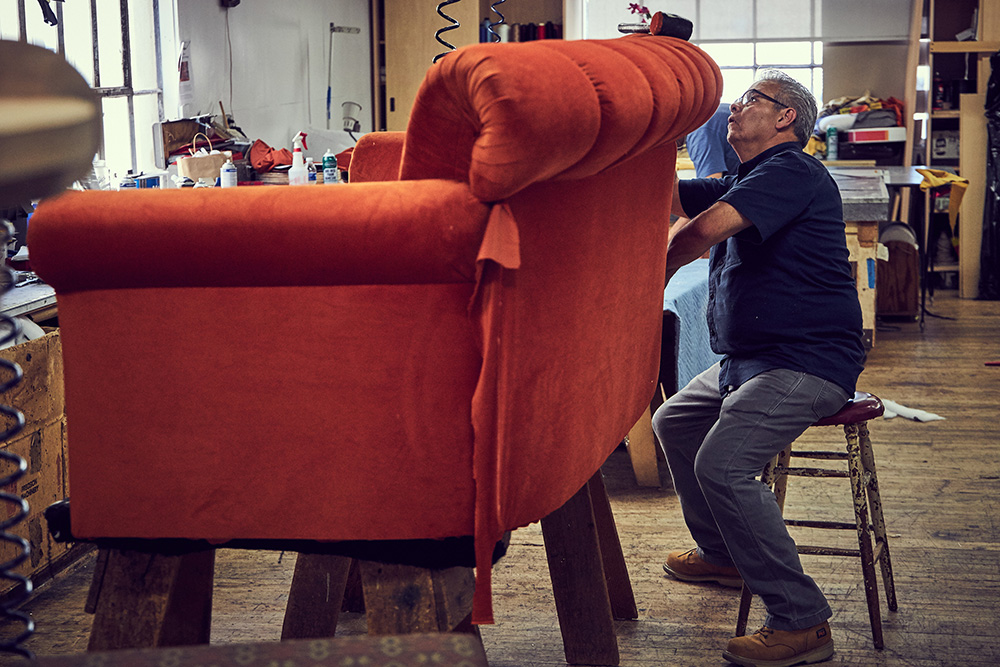
Reupholstering furniture is a great way to give your old furniture a new look without having to replace it. This process also helps keep your old furniture out of landfills. The foam cushioning on your old furniture will not break down, which is great for the environment and for animals.
When you’re considering reupholstering old furniture, don’t just think about price. You should also consider sentimental value, age, and condition. It’s also a good idea to consider how you’ll use the furniture after reupholstering. You might even consider reupholstering heirloom furniture, which holds a lot of sentimental value for the family.
Cost of reupholstering
When it comes to the cost of upholstery for furniture, the choice of fabric can have a major impact on the final price. Fabric comes in a wide variety of colors, textures, and materials. The quality of the fabric will also affect the overall cost of the project. Other factors that will determine the cost include the size of the project, the amount of fabric needed, and the labor cost. Additionally, the type of fabric you choose should be carefully considered, since some materials may require more labor than others.
Upholstering professionals generally charge from $50 to $100 an hour. These prices will vary depending on the complexity of the project and the skill level of the upholsterer. Some reupholsterers will also charge a service fee, which can be from $70 to $120. Additional fees include transportation and material costs.
Allergies caused by upholstered furniture
Upholstered furniture can be a source of allergies for some people. Many people attribute their allergies to dust, pets, or even the furniture itself. But did you know that the allergens can also be found in the fabric of upholstered furniture? It’s a condition known as sofa dermatitis and it can lead to a variety of skin problems.
The first step to preventing allergies caused by upholstered furniture is to clean it regularly. This can be done with a simple cleaning solution such as vinegar. Another method is to use a vacuum cleaner, as this will eliminate any dust in the air. It’s also a good idea to replace upholstered furniture with vinyl or tile if you can. You should also wash bed linens regularly and replace the curtains in your bedroom with blinds or shades.
Cost of replacing upholstered furniture
The cost of replacing upholstered furniture varies widely depending on the size of the piece and the type of fabric used. A single yard of upholstery fabric will cost about $30 to $60, and labor and supplies can add up to another $100 to $300. Upholsterers will charge extra for specialty tasks, such as matching patterns, working with white and shiny fabrics, or restuffing sofa cushions. Likewise, they may charge extra for finishing the piece, which takes time and requires more labor.
A typical re-upholstering project will include a light layer of batting to give the furniture loft and plushness, as well as replacement padding. More complicated furniture, such as those with channels or tufts, will require more fabric application, cutting, and sewing. Once the upholstery is complete, finishing treatments will be applied to the new upholstery. These finishing treatments are often considered an upgrade to basic edge treatments.