Having good dental health can be beneficial in many ways. In fact, there are a number of ways dentists are able to influence the health of our society. While some dentists focus on treating patients, there are other dentists who focus on public health issues. Cosmetic Dentistry Austin TX can help improve the oral health of the community, such as reducing dental health burdens through community based oral health education.
Reducing oral health burdens through community based oral health education
Despite increasing attention to oral health in recent decades, there remain significant inequities in access to oral health services. This is particularly true for the most disadvantaged population groups. Providing affordable, accessible, and evidence-based oral health care is essential for reducing health disparities.
Many low- and middle-income countries are unable to provide the services needed to prevent and treat oral diseases. One reason for this is the shortage of oral manpower. In addition, there are also structural barriers that limit access to oral health services. These include inadequate access to health care facilities, insurance coverage, and third-party payment systems.
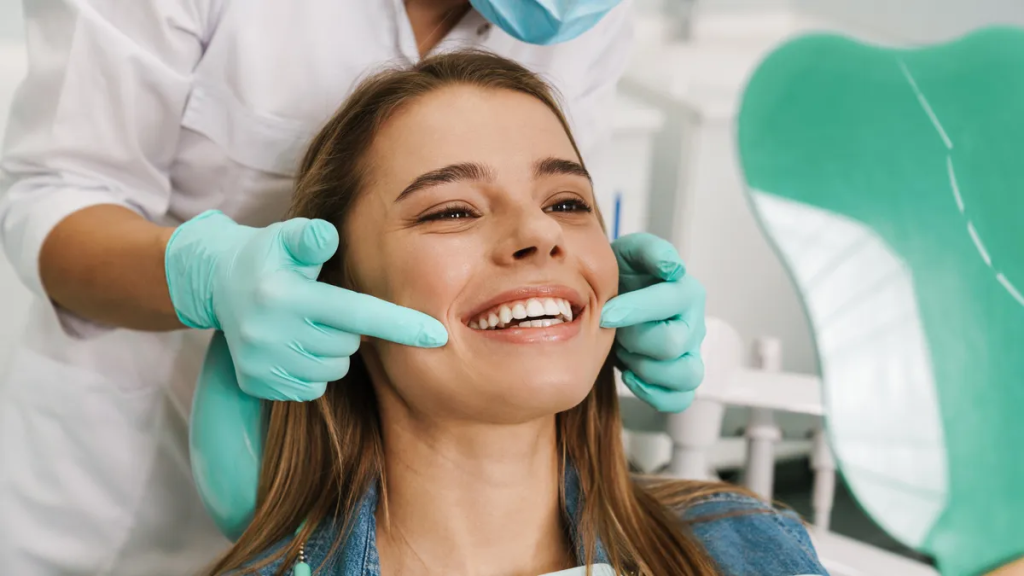
Another factor limiting access to oral health care is the cost of treatment. This can be due to limited cost-sharing mechanisms, direct payment, and structural factors. People with low incomes are more likely to experience pain and disability due to untreated oral diseases.
Dental treatments and public health interventions can improve OHRQoL
Whether you are a dental practitioner or an advocate, it is important to include measures of oral health-related quality of life (OHRQoL) in your research and clinical practices. These measures are critical for determining the efficacy of dental treatments and public health interventions and setting strategic targets for improvements in oral health.
Studies have shown that oral disease negatively affects people’s general well-being and their oral health-related quality of life. Oral diseases affect a wide portion of the global population. They can also negatively impact the oral functions of individuals, such as chewing and speaking.
Evidence-based care emphasizes the importance of understanding how oral and facial problems affect a person’s quality of life. Studies have shown that people with higher levels of education, socioeconomic status, and non-minority status are more likely to have better OHRQoL. Various health campaigns have been conducted worldwide to increase awareness of oral health and eliminate dental pain. They also highlight the importance of a balanced diet and encourage daily oral hygiene.
Teledentistry
Among the important things dentists do is to educate the public about oral health. Teledentistry allows this by providing a connection between dental providers and patients. This technology can benefit people living in rural areas and underserved populations. It can help increase the efficiency of oral healthcare. It is also useful in emergency situations outside of normal business hours.
Teledentistry uses electronic imaging and communication technologies to transfer clinical information between dentists and patients. The benefits of teledentistry include a reduction in travel time, increased access to care, improved communication between dental providers and the community, and increased revenues for dental practices.
Impacts of dental disease on children and adults
Compared to adults, children are more prone to oral diseases. These diseases affect the upper and lower jaw, teeth, gums, mouth, and salivary glands. These diseases may be preventable through proper oral hygiene practices and regular preventive care. During the early stages, most of these diseases can be treated. However, if left untreated, they may result in tooth decay, pain, disability, and a range of other adverse effects.
Oral diseases affect everyone, from children to adults. They range from simple to serious diseases. They include tooth decay, periodontal disease, cleft lip and palate, and oral cancer. Aside from tooth decay, these diseases can affect a person’s nutrition, quality of life, and overall health.
Social indicators assess the effect of oral conditions at the community level
Using a sample size of a reasonable size, it is possible to perform reliable oral health related tests of confidence. A well conducted study will yield a trove of information about oral health and oral health behaviors, which can then be applied to improve patient health outcomes. Oral conditions are moderately prevalent, but they can be effectively measured without the use of high tech tools and equipment. Oral health is a critical component in a healthy and productive lifestyle. The oral and dental health of adolescents and young adults is a matter of national and global concern. Developing effective strategies for early detection and treatment of oral health conditions is a matter of public health priority.
DHATs improve dental outcomes in Alaska Native communities
DHATs, or Dental Health Aide Therapists, are a unique primary dental care professional. They work under the supervision of a licensed dentist and provide preventive and restorative dental care to Alaska Native people. They provide simple extractions, fillings, and professional cleaning. In addition to a limited scope of practice, DHATs are culturally competent and have a reputation for reducing fear of dental procedures.
The use of DHATs as a solution to the dentist shortage is promising, especially in rural Alaska. However, the model has been subject to ongoing opposition from organized dentistry. Nevertheless, there is hope that DHATs may improve dental outcomes in Alaska Native communities. Currently, there are over 45, 000 Alaska Natives who have access to dental health care offered by a dental health aide.