There are several benefits of block paved surfaces. In this article, we’ll look at their durability, cost, patterns, and chemical resistance. This type of paving is a great option for parking lots, driveways, and pathways. Read on to find out more! To get started, learn how to install block paving in your home or business. There are many benefits of travertine pavers, so you should know about them before making a decision.
Durability
Concrete paving blocks have been used for decades in marine environments in South Africa. However, recently, the deterioration of new pavers has been observed. Within three years, they had become unserviceable. To identify the cause of this rapid deterioration, a research study was conducted. The objective of the research was to determine the properties of deteriorating blocks. The following is an overview of the study. Read on to discover more.

The first reason block paving is so durable is its durability. Typical block pavement is expected to last for two decades. Its design is versatile enough to match a variety of decors and adds value to any house. Another advantage of block paving is that it is resistant to stains and corrosive elements, making it a good option for patios and yards. It also enhances the value of a home.
Cost
Compared to asphalt, block paving requires less maintenance. You simply lift the slabs and replace them as needed. This ensures that the surface lasts for a long time. You also don’t need to worry about water absorption since the concrete blocks are porous and allow rainwater to drain easily. In addition, they are environmentally friendly. You can even embed an outdoor structure, such as a deck, before installing the paving.
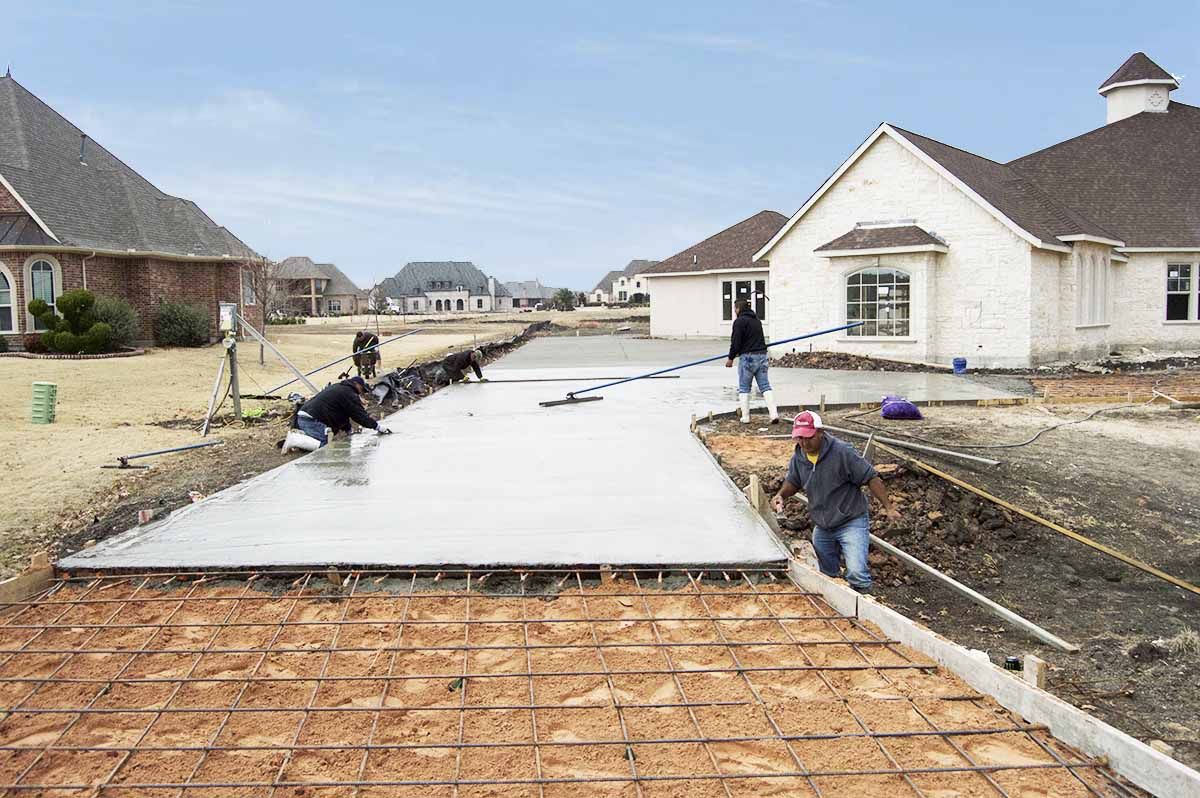
The cost of block paving per square metre will vary. A simple chequered pattern can be completed in three days by a trained block paver. More complicated designs may take four or five days to complete. You can also choose a patterned driveway that requires more intricate work. The cost of block paving will vary depending on the design you choose, including the current condition of your driveway. You’ll also need to factor in the labour costs of prep work.
Patterns
One of the most common designs for domestic block paving is the herringbone pattern. Although this pattern has a number of critics, it has long been a staple of paving. Its strength is a key reason for its popularity. Its aesthetic appearance is also comparable to that of asphalt surfaces. The following paragraphs will explain some of the basic principles that underlie the design of this type of paving. And, of course, we’ll talk about why you’d want to use a certain pattern in your driveway.
Basketweave: Another popular pattern is the basketweave. This pattern is easy to install and involves alternating horizontal and vertical blocks. It’s a classic look that encourages experimentation with colour, but it is not a good choice for areas that will be subjected to heavy loads. Instead, you’d be better off with a traditional pattern, such as the traditional herringbone. And, while some patterns are more challenging to install, many experienced paving contractors have experience in laying block paving.
Resistant to chemicals
If you have recently installed a new driveway or walkway, you may want to protect your investment by using a sealant that is resistant to chemicals and other elements. This product is a great choice for driveways and walkways that need to stand up to time, the elements, and general wear and tear. Here are some advantages of block paving. They are durable, long-lasting, and have many benefits.
When applied to paved surfaces, block paving sealant is a simple process that can be completed by DIY enthusiasts. It is a popular chemical in construction, and comes in different formulations. You can do it yourself, but it is important to adhere to the application procedure so that you get the best results. Cutting corners may reduce the benefits of block paving sealant, so make sure you take your time and follow directions.
Reliability
Reliability of block paving depends on its quality, durability, and construction. The quality of paving blocks depends on the consistency of their dimensional features and their cohesive strength with the bed mortar. Moreover, a variety of factors, such as poor execution or varying temperatures, can affect the performance of paving structures. To ensure reliability, full-scale test structures are being built at TU Vienna. This research is aimed at determining the mechanical, chemical, and physical properties of block paving.
The results show that the failure surfaces in samples (a) and (b) were rough and smooth, respectively. The crack widths and bonding strength were based on different temperature events. The relationships between crack widths and bonding strength were obtained, allowing estimates for the necessary bonding strengths. However, further research is needed to develop reliable and accurate models for paving blocks. It’s possible to use simulation tools to study the structural response of block paving in order to determine its overall performance.
Environmental friendliness
The lifecycle impacts of block paving are being evaluated for a new concrete paving material called eco-block. This material can reduce waste, promote green consumption, and reduce air pollution. Its lifecycle impact assessment includes the complete chain from raw material extraction, to collection, to manufacturing and finally to site use. The project includes first-hand data from an eco-block manufacturer in the region. Additionally, sensitivity analyses were conducted for different raw material inputs.
The pore structure of eco-friendly paver blocks allows water to percolate into the soil, flushing pollutants and replenishing the water table. The aesthetic appeal of this environmentally friendly paving material is also unmatched by its functionality. In addition to being beautiful, this material can reduce the need to repair damaged areas in the future. The recent community concern for sustainable materials has prompted engineers to develop new, eco-friendly paving materials.