Pest infestations can be a major nuisance, causing damage to property and posing health risks. Effective pest control services are crucial for eliminating pests and preventing their return. In this comprehensive guide, we will provide you with a step-by-step approach to ensure the effectiveness of pest control measures. Pest Management Brisbane offers effective solutions to keep your home or business free from pests. From initial assessment to long-term prevention, this article will equip you with the knowledge to tackle pest problems successfully.
Step 1: Inspection and Assessment
The first step in effective pest control is a thorough inspection and assessment of the property. This process involves identifying the type of pests present, determining the extent of the infestation, and assessing any contributing factors. Professional pest control technicians are trained to look for signs of pest activity, such as droppings, nesting areas, or structural damage. Through careful examination, they can develop a targeted treatment plan tailored to your specific pest issue.
Step 2: Identification and Planning
Once the pests have been identified, the next step is to develop a comprehensive plan of action. This includes determining the most suitable treatment methods and selecting the appropriate pest control products. It’s important to choose methods that are effective in eliminating the specific pests while minimizing risks to humans and the environment. Integrated Pest Management (IPM) techniques, which focus on long-term prevention, are often preferred over traditional chemical treatments.
Step 3: Treatment and Extermination
With the plan in place, the pest control technicians will proceed with the treatment process. Depending on the type of pests and the severity of the infestation, various methods may be employed. These can include:
1. Chemical Treatments
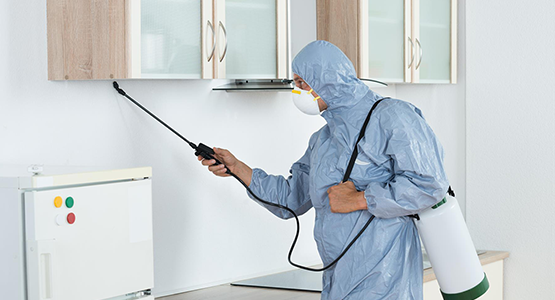
Chemical treatments involve the application of pesticides to eliminate pests. Pest control professionals use approved and regulated products, applying them strategically to target infested areas while minimizing exposure to humans and pets. They follow all safety protocols to ensure the effective and responsible use of pesticides.
2. Biological Controls
Biological controls involve the use of natural predators, parasites, or pathogens to control pest populations. This method is particularly effective for specific pests and can provide long-term solutions by disrupting the pests’ life cycles. It is an environmentally friendly approach that minimizes the use of chemicals.
3. Physical Methods
Physical methods include trapping, sealing entry points, or employing barriers to prevent pests from accessing the property. Traps can be used to capture rodents or insects, while sealing cracks and gaps eliminates potential entryways. Barriers, such as screens or netting, can be installed to keep pests out while allowing ventilation.
4. Heat or Cold Treatments
Heat or cold treatments are specialized methods used for certain pests, such as bed bugs or stored product pests. High temperatures or extreme cold are applied to infested areas to eliminate pests at all life stages. These treatments require professional expertise and precise execution.
Step 4: Follow-Up and Monitoring
Once the initial treatment is complete, it’s essential to monitor the effectiveness of the pest control measures. Regular follow-up visits by pest control technicians allow them to assess the progress, make any necessary adjustments, and address any new signs of pest activity. Monitoring ensures that the infestation has been completely eradicated and helps prevent future outbreaks.
Step 5: Long-Term Prevention
To maintain a pest-free environment, it’s crucial to implement long-term prevention strategies. Here are some key measures to consider:
1. Maintain Cleanliness and Hygiene
Keep your living or working spaces clean and free from food debris. Regularly clean and sanitize areas where pests are likely to find food sources. Proper waste management is crucial to avoid attracting pests.
2. Eliminate Moisture Sources
Pests thrive in moist environments. Fix any plumbing leaks, ensure proper drainage, and keep areas prone to moisture, such as basements and crawl spaces, well-ventilated and dry.
3. Seal Entry Points
Inspect and seal any gaps, cracks, or openings that pests can use to enter your property. Pay special attention to areas around windows, doors, pipes, and utility lines.
4. Trim Vegetation and Landscaping
Maintain a well-trimmed landscape and ensure that trees and shrubs do not come into direct contact with the building. Overhanging branches or vegetation against the structure can provide easy access for pests.
5. Educate and Train Staff
If you own a business or manage a facility, educate your staff about pest prevention and reporting procedures. Establish protocols for early detection and prompt action to address any signs of pest activity.
Conclusion
Effective pest control services require a systematic and comprehensive approach. By following the steps outlined in this guide, you can ensure the successful elimination of pests and the prevention of future infestations. Remember, professional pest control services provide the expertise and knowledge necessary to tackle even the most challenging pest problems. By partnering with a reputable pest control company, you can safeguard your property and create a pest-free environment for your home or business.